



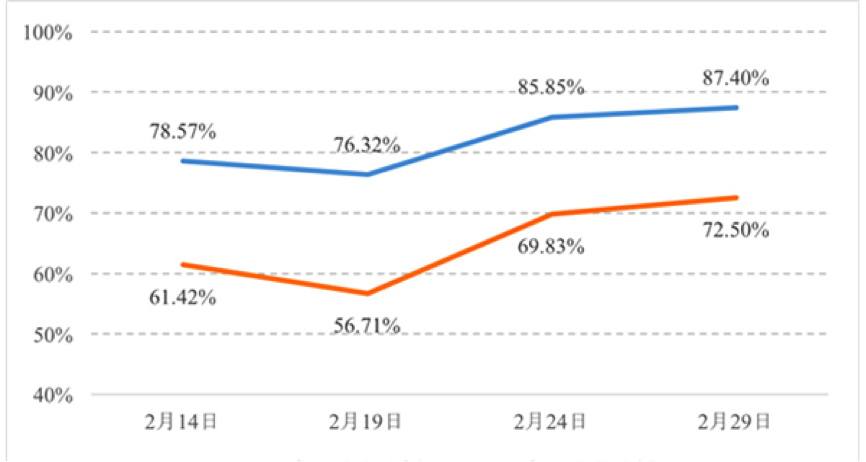
- Investigation report on the resumption of dyeing and printing enterprises
- At present, the COVID-19 epidemic continues, while upstream and downstream enterprises in the textile industry chain are doing their best to ensure the supply of anti-epidemic materials, they are gradually restarting production in an orderly manner. In order to understand the progress of the
- Mar 04, 2020

- Impact of the COVID-19 epidemic on economic development of textile and garment industry cluster
- On February 10 -13, the Industrial Cluster Working Committee conducted a special investigation on the impact of the COVID-19 epidemic on the pilot areas of the national textile and garment industry cluster. The survey received valid questionnaires from 152 industrial cluster pilot areas. The k
- Mar 03, 2020

- Annual Economic Report (2019) for China’s Technical Textile Industry in Brief
- ( This brief information about industrial textile economy in China in 2019 is brand new as the most updated statistics for the national economy (Jan.-Dec.) in the year just gone by can be available the earliest in February, and the industry picks up what is related to its own sector of economy an
- Mar 03, 2020
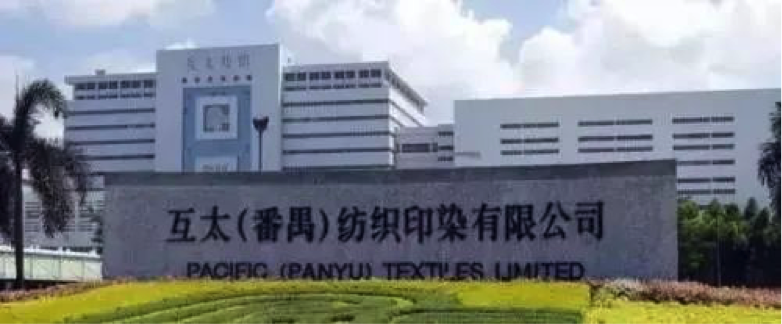
- Knitting Textile Big Shot Looks Bright As Situation Lights up
- On February 26, Pacific Textiles Limited, the knitting textile big shot, announced a production rebounding by more than 80% as of February 25 from 40% level on February 14 ever since its operation restarted on February 12, signifying a smooth job return amid on-going tightened efforts to prevent a
- Feb 28, 2020

- China’s cotton cloth exports in December 2019 increased by 5.28% year-on-year
- According to the latest statistics, in December 2019, China imported 22 million meters of cotton cloth, an increase of 4.46% month-on-month, and a decrease of 10.80% year-on-year; cotton cloth exports of 658 million meters, an increase of 5.28% month-on-month, and a year-on-year increase of 10.21%
- Feb 27, 2020
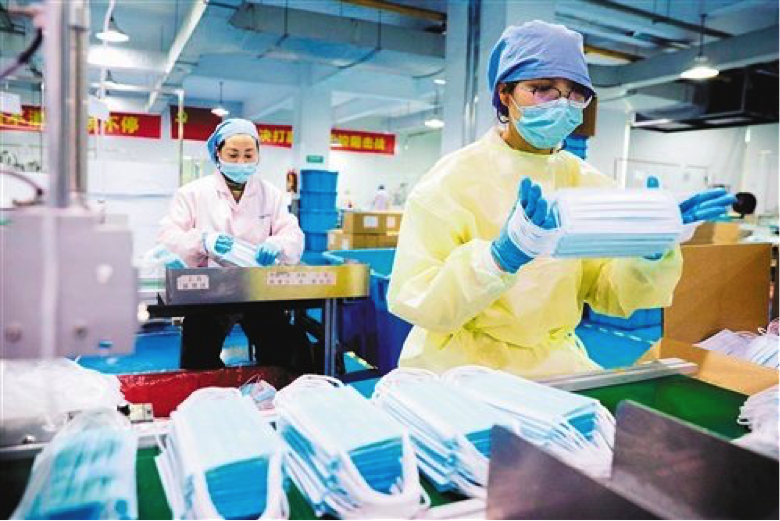
- China’s six non-woven production bases and mask production
- China’s six non-woven production bases 1. Changyuan City, Henan Province Changyuan City, Henan Province ranks first among the three major medical and health material bases in China. It has more than 70 medical and health material enterprises and more than 2,000 operating ent
- Feb 27, 2020
|