

2026 Advanced Fiber Materials Innovation Conference opens in Shengze
Oct 16,2026 | by Zhong Mengxia
Fibers, though fine, can weave a grand industrial tapestry; materials, though small, can drive a leap in value.
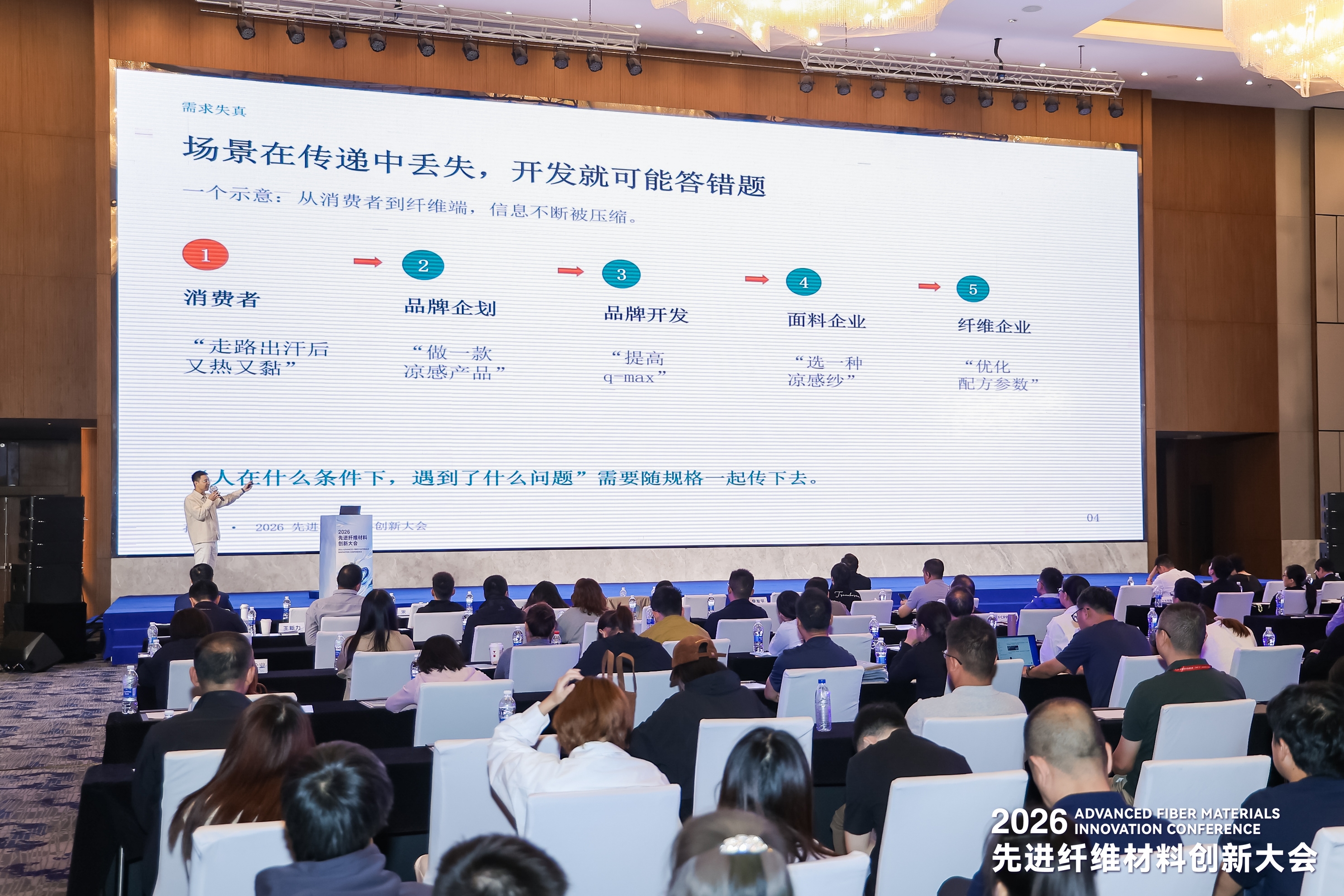
In October, Wujiang's Shengze came alive with the energy of fibers and innovation. On October 11-12, during the 15th Jiangsu (Shengze) Textile Expo, the 2026 Advanced Fiber Materials Innovation Conference was held under the theme “Quality Leads the New Journey, Fibers Shape the Future.” The conference focused on two main tracks, industrial development and innovative applications, exploring the keys to innovation, upgrading, and value transformation in advanced fiber materials.
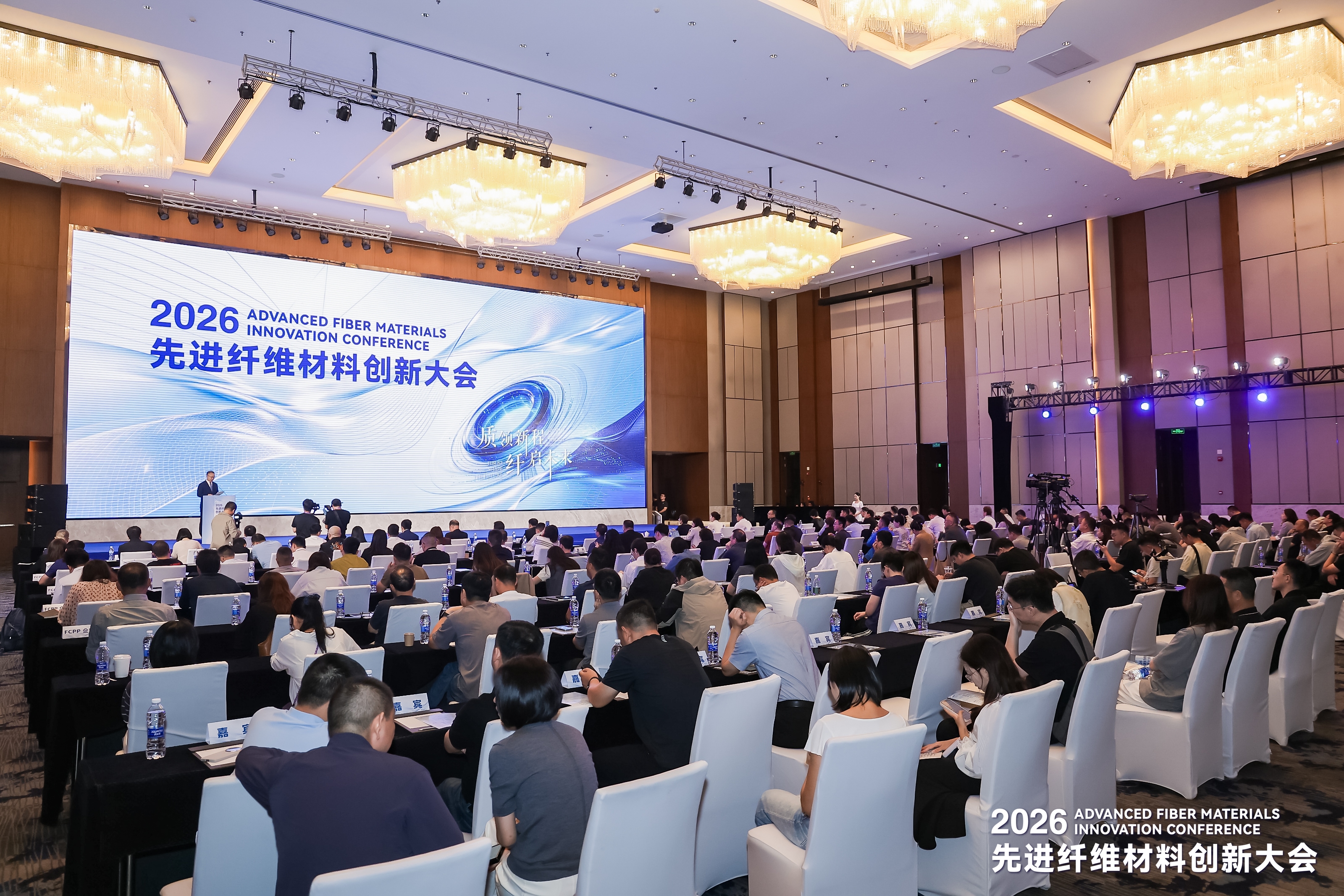
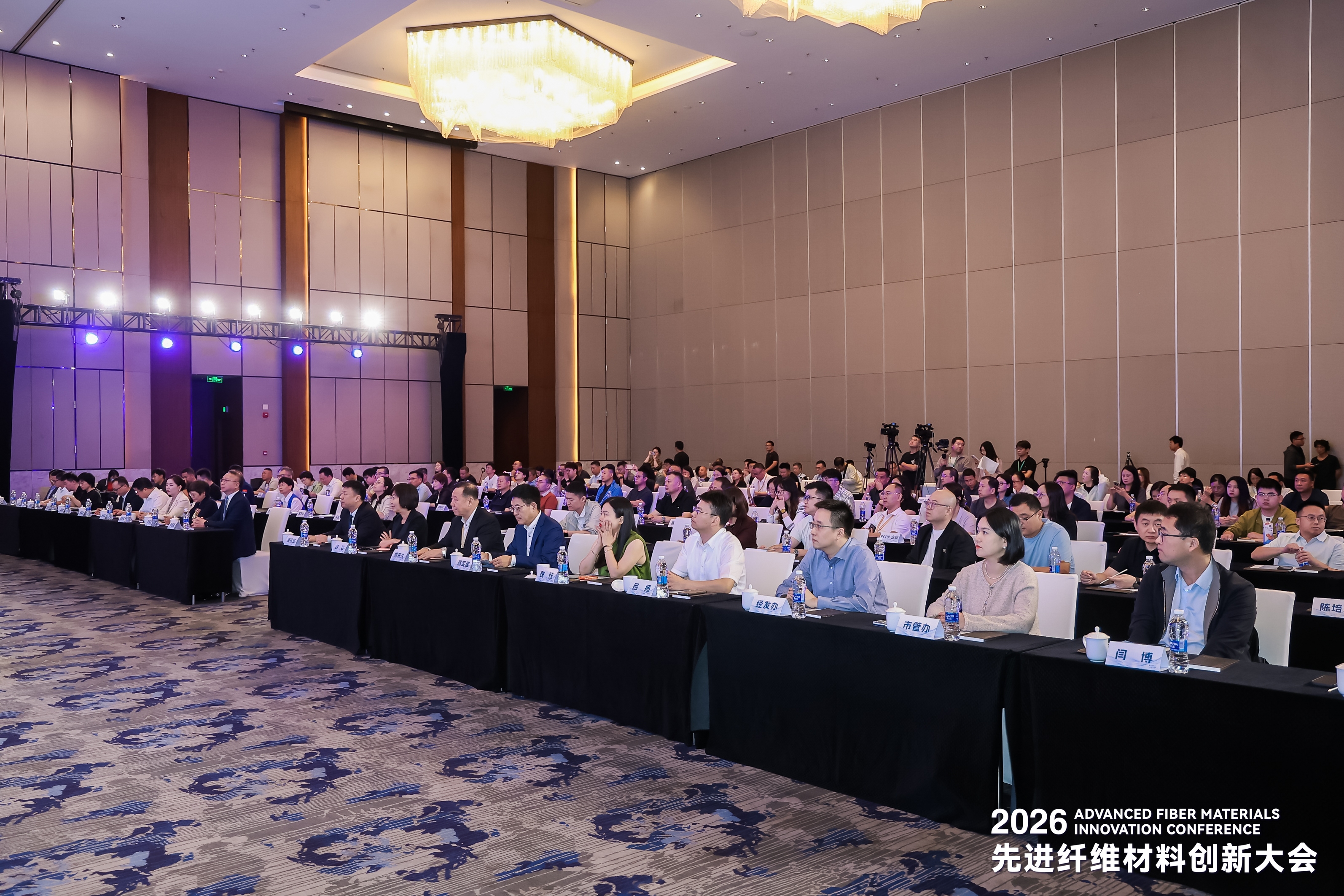
Attendees included Sun Ruizhe, Party Secretary and President of the China National Textile and Apparel Council (CNTAC); Zhu Meifang, Academician of the Chinese Academy of Sciences, Academician of the World Academy of Sciences, and Director of the State Key Laboratory at Donghua University; Yan Yan, Vice Chairman of the International Textile Manufacturers Federation (ITMF) and Vice President of CNTAC; Wu Weibin, Deputy District Mayor of Wujiang and Party Secretary of Shengze; Li Bo, Director of the Productivity Promotion Department of CNTAC, Deputy Director of the China Textile Information Center, and Director of the Textile Product Development Center; Zheng Laijiu, Professor at Dalian Polytechnic University; Chen Baojian, Deputy Director of the Textile Product Development Center; and Song Fujia, Chief Engineer of the Textile Product Development Center.
Setting the direction: Charting the “fiber” path for industrial upgrading
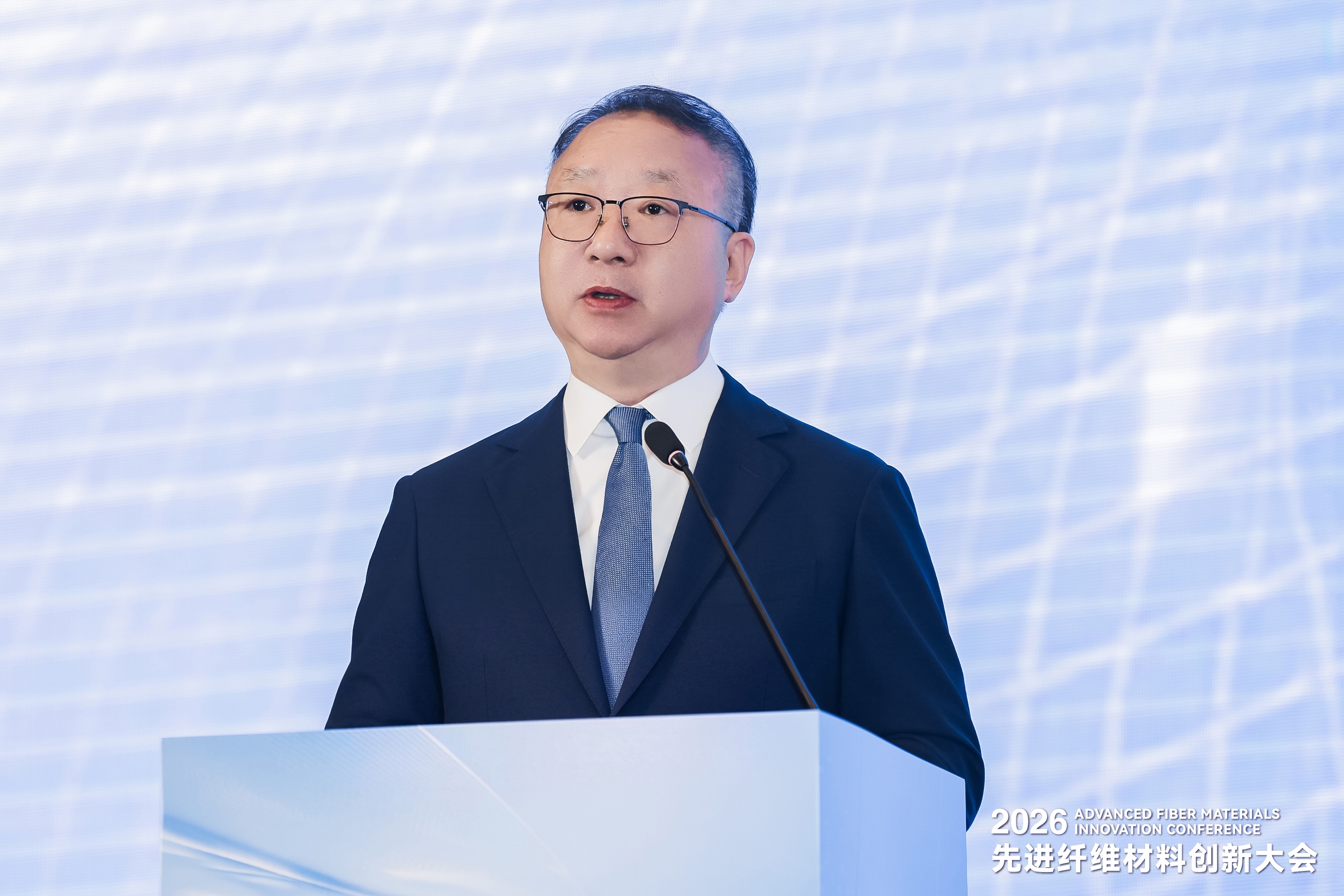
“Fiber materials drive product innovation, process innovation, and equipment innovation across the industry, underpinning its advantages in scale, system, and market,” Sun Ruizhe said in his address. He noted that the fiber industry carries the important mission of ensuring stable supply, achieving high-level innovation, and enabling broad applications. He proposed three suggestions: first, take quality as the core to build strategic strength; second, take efficiency as the core to improve the innovation ecosystem; third, take value as the core to lead consumption upgrading.
Speaking from the forefront of the discipline, Zhu Meifang said that fiber materials connect countless industries and are constantly breaking through traditional application boundaries, becoming an important foundation for strategic emerging industries and future industries. She highlighted three areas requiring particular attention: pursuing scientific and technological innovation toward higher performance and more functions; adhering to green and low-carbon development to promote sustainability across the full lifecycle of fiber materials; and embracing artificial intelligence to explore new paradigms in fiber material R&D and manufacturing.
Shengze places great importance on the development of new fiber materials and continues to promote deep integration of technological innovation and industrial development. Wu Weibin outlined Shengze's innovation roadmap: deepening industry-academia-research collaborative innovation, and accelerating the transition from traditional manufacturing to intelligent manufacturing.
Building the collaboration chain for technology transfer
Innovative technologies can only truly unlock industrial value once they leave the laboratory. A number of industrial cooperation projects were signed at the conference, covering key tracks such as high-performance material transformation and application, low-carbon manufacturing technologies, and functional fiber material development.
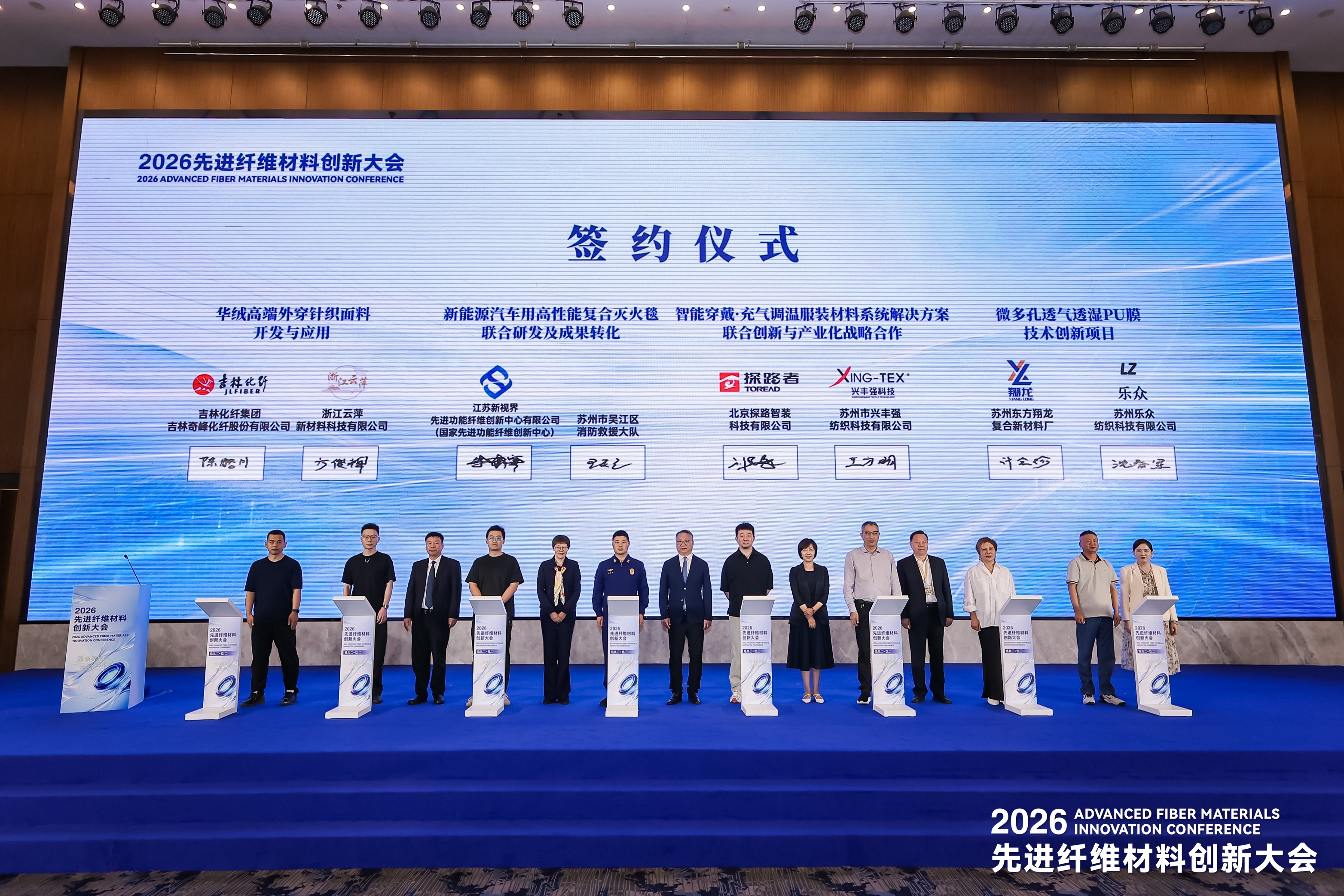
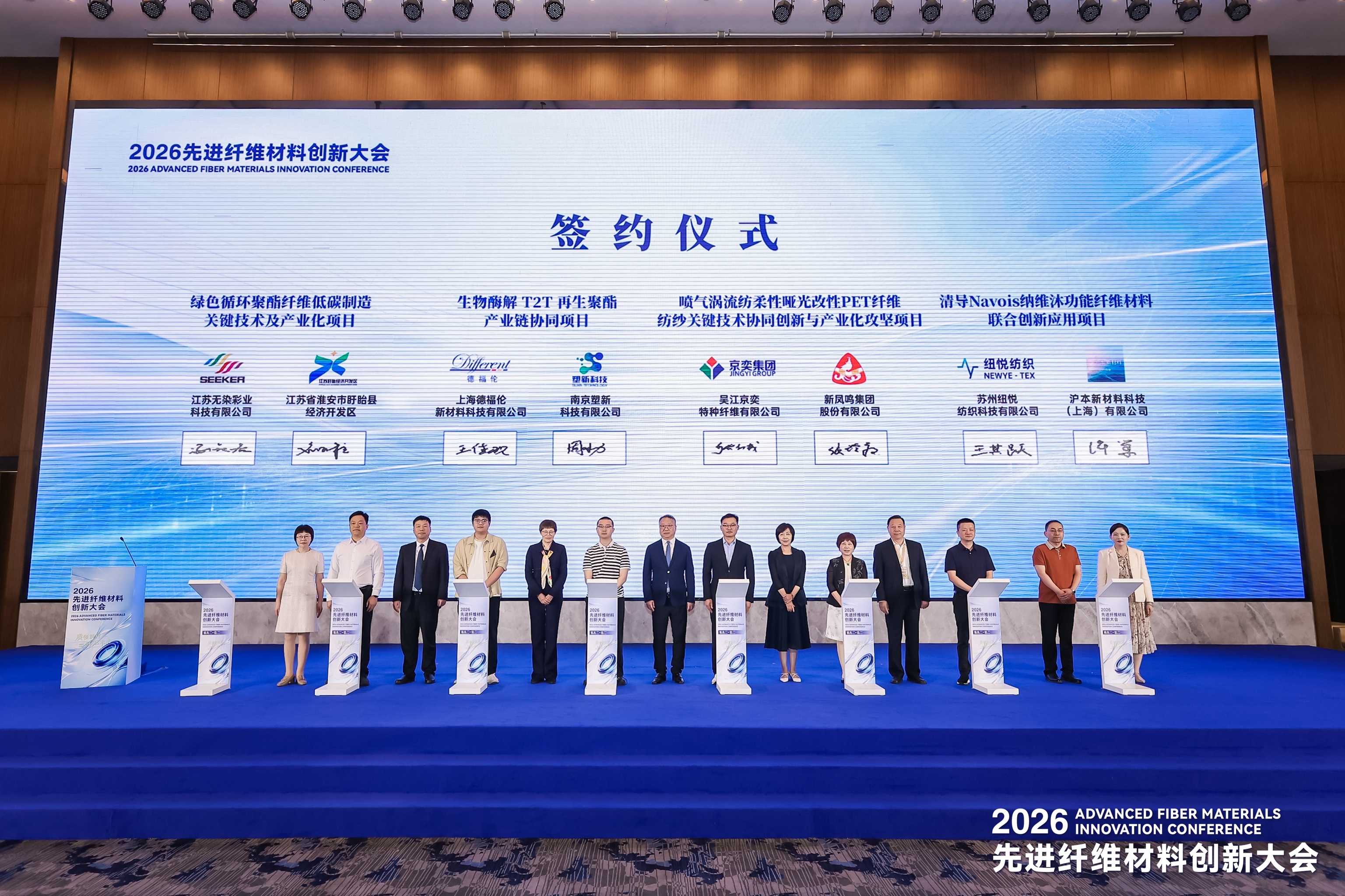
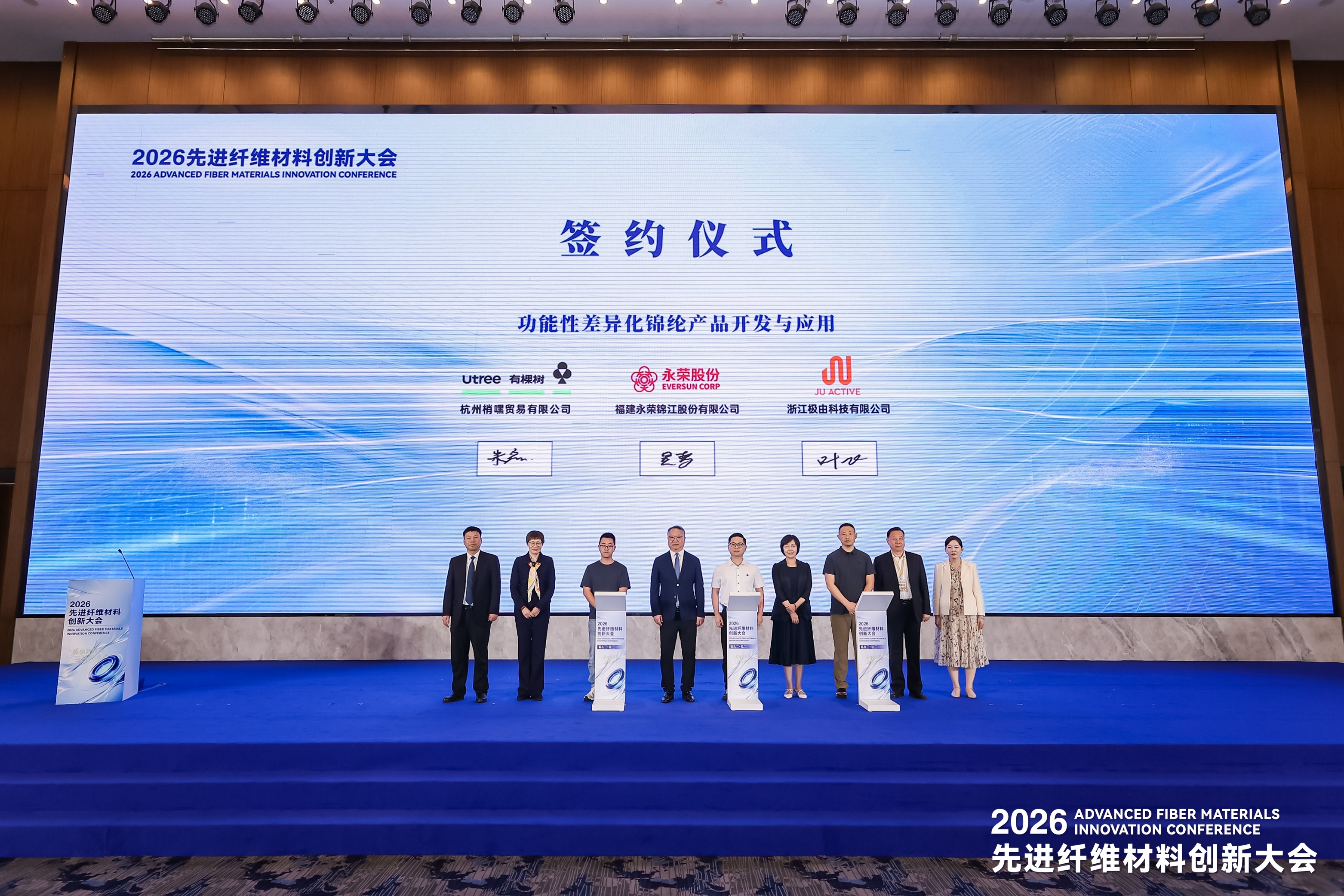
A total of 10 cooperation agreements were reached among innovation entities including Jilin Chemical Fiber Group Jilin Qifeng Chemical Fiber Co., Ltd., Zhejiang Yunping New Materials Technology Co., Ltd., Jiangsu New Vision Advanced Functional Fiber Innovation Center Co., Ltd. (National Advanced Functional Fiber Innovation Center), Suzhou Wujiang District Fire Rescue, Beijing Tanlu Zhizhuang Technology Co., Ltd., Suzhou Xingfengqiang Textile Technology Co., Ltd., Suzhou Dongfang Xianglong Composite New Material Factory, Suzhou Lezhong Textile Technology Co., Ltd., Jiangsu Wuran Caiye Technology Co., Ltd., Jiangsu Huai'an Xuyi County Economic Development Zone, Shanghai Different New Materials Technology Co., Ltd., Nanjing Suxin Technology Co., Ltd., Wujiang Jingyi Special Fiber Co., Ltd., Xinfengming Group Co., Ltd., Suzhou Niuyue Textile Technology Co., Ltd., Huben New Materials Technology (Shanghai) Co., Ltd., Fujian Yongrong Jinjiang Co., Ltd., Hangzhou Shaohei Trading Co., Ltd., and Zhejiang Jiyou Technology Co., Ltd. These partnerships will target the challenges of commercializing research achievements, jointly driving the transformation of technological advantages into market and competitive advantages, and building collaborative synergy for cultivating new quality productive forces in the textile industry.
Tackling green and intelligent challenges
Fiber material innovation is a key driver of textile industry transformation. Facing the dual challenges of green low-carbon development and intelligent upgrading, technological exploration in the fiber field is delivering robust solutions.
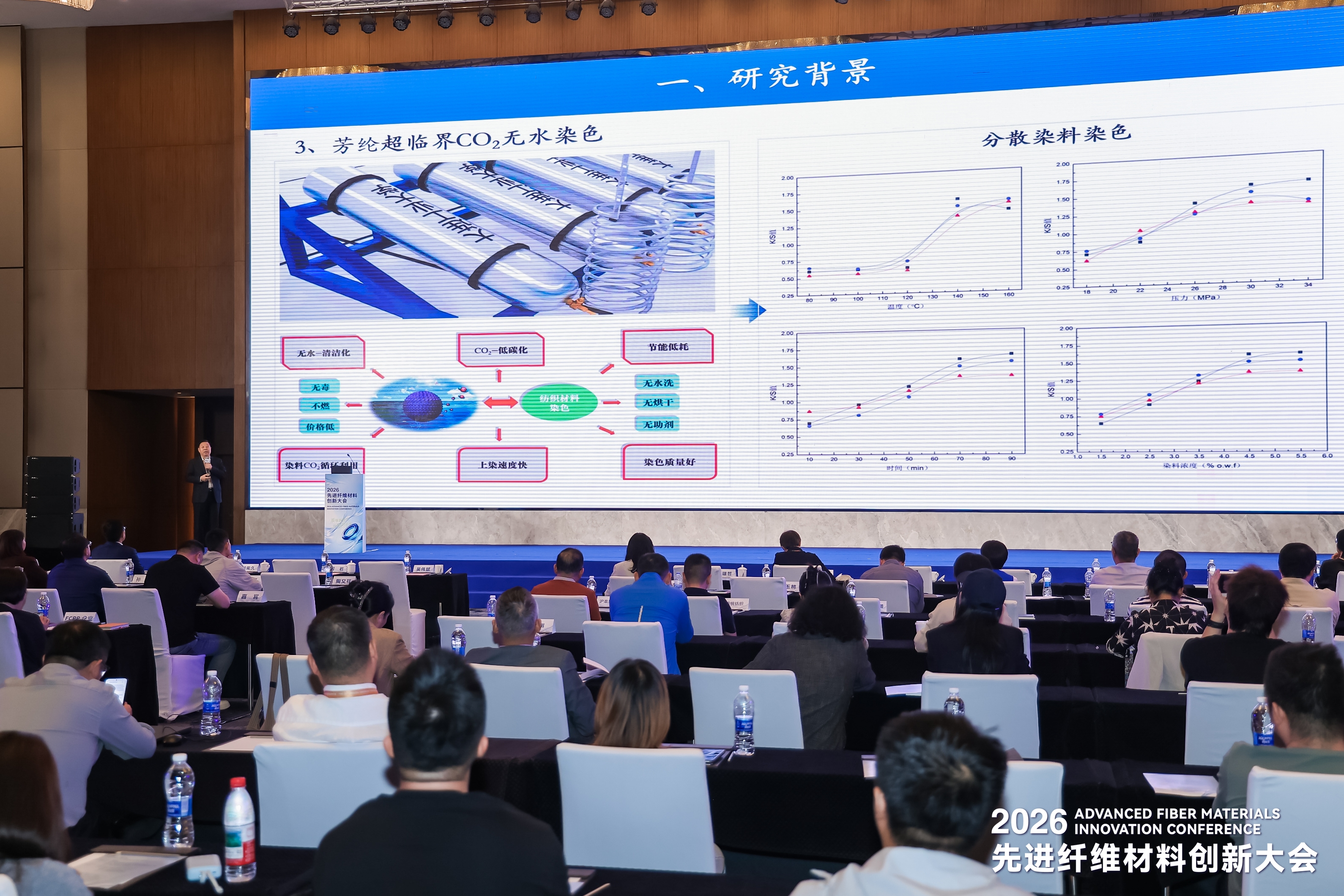
Aramid fibers are widely used in aerospace, defense, and other fields, but their limited color range and difficulty in color adjustment remain challenges. Regarding supercritical carbon dioxide waterless dyeing technology for aramid fibers, Zheng Laijiu said his team has successfully established core independent intellectual property rights. The team will continue to upgrade waterless dyeing technology for high-performance aramid fibers and explore diverse possibilities for green fibers.
Liu Haohai, Head of the Technical Department of Toread Group and Deputy General Manager of Tanlu Zhizhuang Technology Co., Ltd., pointed out that textile material technology is the core of the human-machine wearable interface for intelligent equipment. Currently, evaluation methods and standards are still lacking for pressure distribution, dynamic heat-moisture management, friction durability, and allergenicity of human-machine interface materials. He suggested that end brands and material enterprises jointly establish evaluation methods under the leadership of industry associations to gain market discourse power.
Facing the pain points of green fibers
Green low-carbon development is a major pathway for the textile industry's transformation, but the large-scale application of green fibers still faces multiple challenges, including transformation cycles, cost balance, and value transmission. In the thematic dialogue session, experts including Zhang Lin, Director of the R&D Department of the National Advanced Functional Fiber Innovation Center; Ji Peng, Researcher and Doctoral Supervisor at Donghua University; Sun Yanlin, Chief Engineer of Tongkun Group; Wu Meng, Deputy General Manager of Fujian Yongrong Jinjiang Co., Ltd.; and Chen Yulin, Chairman of Wujiang Hanta Textile Finishing Co., Ltd., engaged in in-depth exchanges on green fiber innovation and downstream development applications.

Expanding new tracks for market applications
The vitality of fibers lies in application, and value growth lies in scenarios. The Advanced Fiber Materials Innovative Applications Conference focused on technology implementation and application expansion. Several industry experts shared professional insights from dimensions including fiber industry layout, advanced material R&D, and consumer market applications.
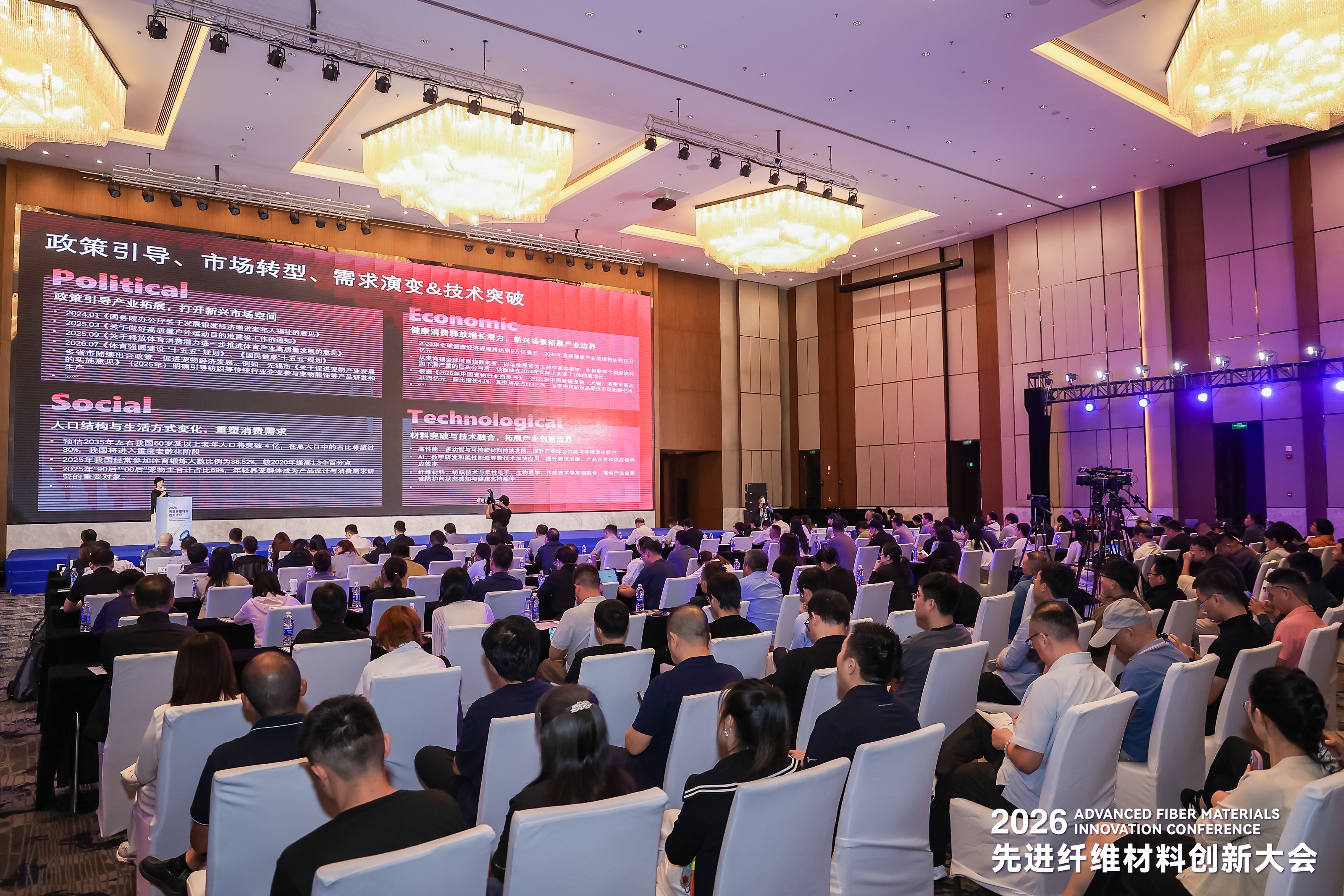
Zhao Yongxia, Deputy Director of the Science and Technology Information Department of the China Textile Information Center, provided a detailed analysis of popular sports and health tracks as well as emerging tracks such as elderly care and pets, and the functional differentiation of products in these areas.
Li Faxue, Head of the Textile Materials Department, Professor, and Doctoral Supervisor at the College of Textiles, Donghua University, shared textile technology R&D achievements including fluorine-free water repellency, self-cleaning easy-decontamination, and ultra-light warmth retention, pointing out innovative directions for textile materials in medical, sports, smart wearables, aerospace, and other fields.
Currently, ultra-high molecular weight polyethylene fiber applications are highly concentrated in traditional fields, and technical shortcomings in tensile strength, dyeing, and interfacial adhesion constrain high-end applications. Cai Wei, Deputy Chief Engineer of Jiuzhou Xingji Technology Co., Ltd., said that enterprises need to break through technical bottlenecks and improve fiber performance to empower applications in low-altitude economy, robotics, construction, new energy, and other frontier fields.
Tao Wenxiang, Chairman of Changshu Xiangying Special Fiber Co., Ltd., introduced that TOBOLON® waxy polyacrylonitrile ultra-fine denier filament has been successfully applied in three functional fabrics: silk protein, heat-generating warmth retention, and antibacterial odor control.
Sun Ke, Head of Apparel department at a well-known e-commerce platform, provided a detailed breakdown of the segmented scenarios and key technologies behind popular sports function terms such as cooling, sun protection, water repellency, and moisture permeability.
During the conference, the National Advanced Functional Fiber Innovation Center integrated advanced material technologies and end products to create a terminal window for attendees to experience material innovation. The exhibition area showcased products including carbon nano-composite heating technology, multifunctional hand warmers, home-use carbon nano-composite heating blankets, tennis apparel, and drag-reducing cycling suits, achieving excellent performance such as high flexibility, uniform heating, and quick-drying breathability. Covering multiple scenarios from home daily use to professional sports, the exhibition visually demonstrated the hard power of frontier fiber technology in transforming into consumer market applications.
Feb 10,2026